


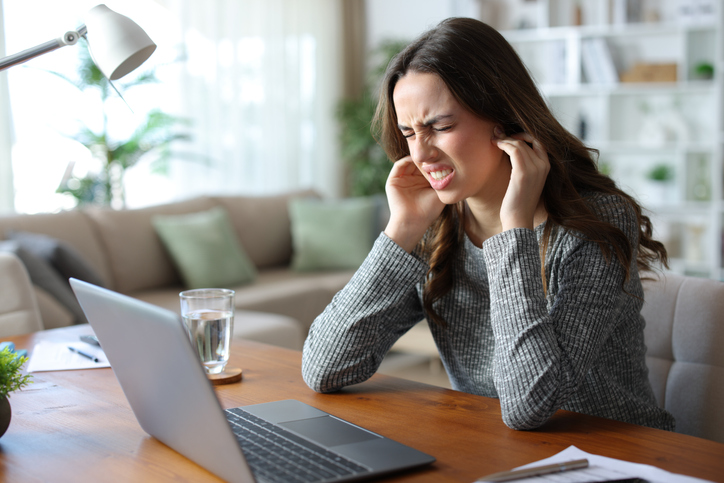
Have you ever noticed that during stressful times your jaw feels tighter, your headaches get worse, or your neck feels more tense?
You’re not just imagining it.
Stress can show up in different ways in your body. For many people, tension builds in the jaw, face, neck, and shoulders. Over time, this can make TMJ symptoms worse.
Some people clench their jaw during the day without realizing it. Others grind their teeth at night or feel more tension around their temples and neck. If these habits continue, the muscles and joints near the jaw can get irritated and sore.
If your TMJ symptoms get worse when you’re stressed, there’s a reason for it.
How Stress Affects the Jaw
When you’re stressed, your body can stay tense or on guard.
This tension can make you tighten your jaw, press your teeth together, or clench without noticing. Many people also grind their teeth while they sleep during stressful times.
These habits put extra strain on the temporomandibular joint (TMJ) and the muscles that move your jaw.
TMJ symptoms can worsen when the muscles around your jaw remain tight for a long time.
The longer this tension lasts, the more likely you are to notice symptoms like:
- Jaw pain or soreness
- Clicking or popping when you open your mouth
- Headaches around the temples
- Tightness in the face or jaw
- Difficulty chewing comfortably
These symptoms come and go for some people. For others, they slowly become more frequent until even a little tension causes discomfort.
Why TMJ Can Cause Neck and Shoulder Tension
TMJ problems don’t just affect your jaw.
The muscles in your jaw, neck, and shoulders all work together. When one area gets tight or irritated, the others often react.
Many people who have TMJ also notice:
- Neck stiffness
- Tightness in the shoulders
- Pain at the base of the skull
- Tension headaches
- Ear pain or pressure
When stress makes you clench your jaw, you might also tighten your neck and shoulders without realizing it. This creates a cycle in which muscle tension builds, and your symptoms persist.
That’s one reason TMJ pain can sometimes feel like it’s spreading beyond your jaw.
The Link Between Stress, Headaches, and TMJ
One of the most common symptoms people experience with TMJ is recurring headaches.
Clenching your jaw and muscle tension can put pressure on the muscles around your temples, face, and neck. This can lead to dull, achy headaches that feel different from a typical migraine.
Many people notice these headaches:
- First thing in the morning
- After a stressful day
- After working at a computer for long periods
- During times when they have been clenching their jaw more often
Since the muscles around your jaw and neck are closely connected, TMJ headaches often come with shoulder tension or a stiff upper neck.
How Physical Therapy Can Help
When stress makes TMJ symptoms worse, it’s usually not enough to focus just on the jaw.
The muscles around your jaw, your posture, and how you move often need attention, too.
At Pinnacle Physical Therapy, TMJ treatment often includes helping your jaw, neck, and shoulders move better together. Physical therapy can reduce muscle tension, improve posture, and show you ways to clench less during the day.
Hands-on treatments like manual therapy, dry needling, or class IV laser therapy can help calm irritated tissues and ease discomfort while you address the root causes.
If stress has led you to carry jaw tension for a long time, changing how you move can make a big difference.
Small Habits That May Help Reduce TMJ Symptoms
Along with treatment, a few simple habits can help lower stress-related jaw tension:
- Pay attention to whether you are clenching your jaw during the day
- Try to keep your teeth slightly apart when resting
- Take short breaks if you work at a desk or computer
- Stretch your neck and shoulders throughout the day
- Use stress-management techniques like deep breathing or relaxation exercises
Even small changes can help lower jaw tension over time.
You Don’t Have to Live with TMJ Pain
When TMJ symptoms are linked to stress, it can be frustrating because the pain often comes and goes.
But there’s usually a pattern behind jaw pain, headaches, and muscle tension.
If stress has been making your TMJ symptoms worse, physical therapy can help you figure out what’s causing the problem and what you can do about it.
You can start with a $49 Discovery Visit to find out what’s causing your symptoms and which treatments might help you feel better.
Call (501) 529-2010 or book online when you’re ready.